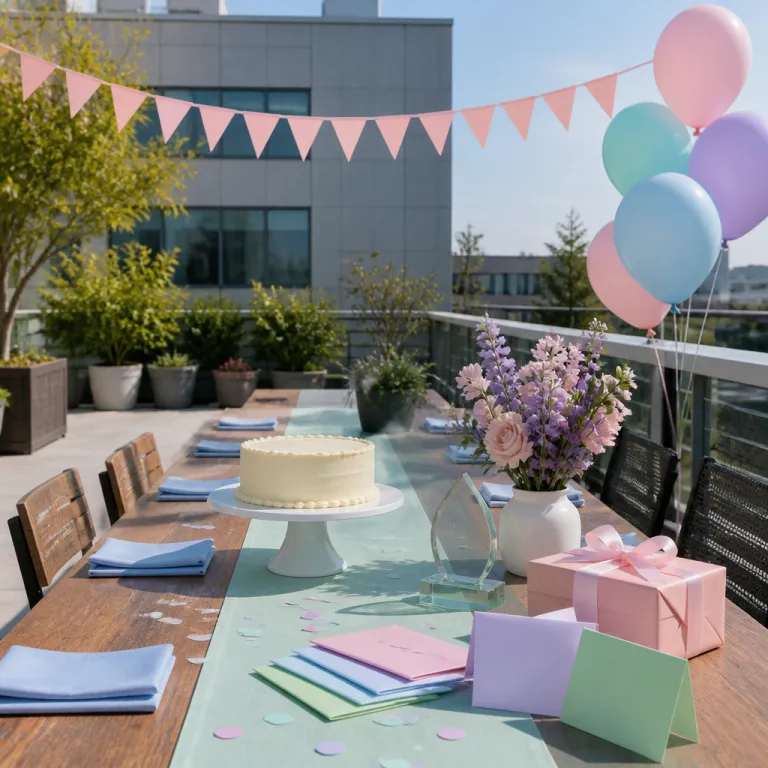
Why happy birthday wishes to a colleague matter for recognition programs
Thoughtful happy birthday wishes to a colleague can quietly reinforce your company’s recognition culture. When a manager links a simple birthday message to specific hard work and results, the employee starts to feel genuinely valued, not just politely greeted. Over time, consistent birthday wishes and simple rituals around the date become a low cost but high impact part of a broader incentives and rewards strategy that supports retention and performance.
In compensation and benefits, every special day is a chance to connect symbolic rewards with financial ones. A well timed greeting on a birthday card, paired with a small bonus, gift card, or extra day off, signals that the organisation sees the whole person, not only their output at work. That mix of emotional appreciation and tangible recognition can make the year ahead feel more promising and can complement formal pay structures.
HR leaders who treat each birthday as a micro recognition moment often report better engagement scores. For example, one HR director at a mid sized technology firm described how a simple ritual of a handwritten card and a short team message “became the one thing people never wanted us to cut from the budget.” Employees remember when a manager sends a note that references a tough project, a lighthearted anecdote from the team, or a shared cake in the break room. These apparently small messages accumulate into a day filled with positive memories that support long term loyalty and a year that feels supported by the employer.
Designing birthday recognition that aligns with compensation and benefits
Strategic recognition programs use happy birthday wishes to a colleague as one touchpoint within a structured rewards calendar. Instead of leaving each gesture to chance, leading organisations define clear guidelines for what happens on every birthday, from the first year in the company to the moment someone feels ready for new responsibilities. This approach ensures that each message and every card feels consistent, fair, and aligned with the overall compensation philosophy.
Linking birthday wishes to performance data helps avoid the perception of empty gestures. For example, a manager might write a short note that thanks someone for their contribution to a complex client project, then reference how that effort supported a retention initiative described in this analysis of retention without sign on bonuses. When employees see that their special day connects with concrete achievements at work, they interpret the recognition as sincere and tied to real outcomes.
Well designed birthday recognition also respects age, culture, and personal preferences. Some colleagues enjoy a humorous speech and a big cake, while others prefer a quiet card and a short note that keeps the focus on their professional growth this year. HR teams should offer templates for greetings that managers can personalise, so each celebration feels appropriate without putting pressure on leaders to improvise under time constraints.
From birthday wishes to structured recognition programs
Many organisations start with informal happy birthday wishes to a colleague and then evolve toward structured recognition programs. The shift usually happens when HR realises that these small rituals can be measured, improved, and linked to broader incentives and rewards. A consistent framework turns each special day into a predictable moment of appreciation that supports the employee experience across the entire year.
One practical step is to integrate birthday messages into a digital recognition platform. When managers log each card, message, and lighthearted note, HR can analyse participation rates and identify teams where colleagues rarely receive celebratory gestures on their birthdays. Insights from tools like an employee recognition survey help refine how birthday wishes and other recognition events contribute to perceived fairness and happiness at work.
Structured programs also clarify budget expectations. A company might decide that every major milestone, such as a tenth work anniversary that coincides with a birthday, deserves a higher value reward or a memorable experience like a team lunch. By defining when to offer a shared cake, when to organise a team break, and when to send more formal cards, HR ensures that each celebration supports both morale and the overall compensation strategy.
Crafting professional birthday messages that respect boundaries
Writing happy birthday wishes to a colleague in a professional setting requires tact and clarity. The goal is to create a message that feels warm and personal while still respecting workplace boundaries and diverse beliefs about birthdays and age. A short, sincere note that recognises hard work and expresses hope for a positive year ahead usually lands better than a long speech filled with clichés.
Effective workplace greetings often follow a simple structure. Start with a direct happy birthday line, add one sentence about the colleague’s contribution at work, then close with a line that expresses good wishes for a joyful day and a strong year ahead. This pattern works equally well in a handwritten card, a digital message, or a public post on an internal recognition wall, and it keeps the focus on appreciation rather than personal details like age or family.
Humour can be powerful when used carefully. A light joke about feeling a year older can work if you know the colleague well and if the team culture already embraces playful banter. When in doubt, keep the message focused on their best qualities at work, such as reliability, creativity, or leadership, and let the shared cake and informal conversations provide the more relaxed and funny moments during the celebration.
Linking birthday recognition to long term engagement and retention
Thoughtful happy birthday wishes to a colleague can influence how employees perceive long term career prospects. When every birthday moment is tied to recognition of skills, growth, and future opportunities, people start to associate their special day with professional milestones rather than just another year older. This subtle shift supports engagement, especially when combined with transparent pay structures and clear promotion paths.
Companies that treat each celebration as a checkpoint for development conversations often see stronger retention. A manager might schedule a short one to one on the day to review achievements from the past year, share a specific compliment about a recent project, and outline goals for the months ahead. In one European services company, for instance, managers began adding a five minute “future focus” to birthday check ins and later reported that employees were more likely to raise career aspirations early, which helped with internal mobility. That combination of a warm message, a symbolic reward like a shared dessert, and a concrete discussion about hard work and future responsibilities can make employees feel both appreciated and invested in.
Recognition programs that include birthdays also help balance financial and non financial rewards. While salary and bonuses remain central, a positive year at work is shaped by many small experiences, from a day filled with kind wishes to regular feedback and fair workloads. When HR tracks how often managers send messages, share cards, and organise short informal gatherings, they gain practical data about the everyday culture that supports or undermines their compensation and benefits strategy.
Practical templates and examples for workplace birthday wishes
People seeking guidance on happy birthday wishes to a colleague often want concrete examples. Below are practical templates that align with professional recognition principles while still creating a sense of happiness and connection on the special day. Each template can be adapted for different ages, roles, and levels of formality, ensuring that every message feels appropriate and respectful.
For a direct report, you might write: “Happy birthday, and thank you for your hard work on our recent project. Your contribution made a real difference to the team. I hope you enjoy a well deserved celebration today and feel supported in your growth here over the coming year.”
For a peer, a lighter tone can work well. You could say: “Happy birthday! Here’s to another year of working together, sharing ideas, and having a few laughs along the way. Wishing you a great day, plenty of cake, and a successful year ahead in and out of the office.”
Key statistics on birthday recognition and employee engagement
- Gallup’s 2023 State of the Global Workplace report found that employees who strongly agree that they receive meaningful recognition at least once a week are about four times more likely to be engaged and five times more likely to feel connected to their organisation. Birthday wishes are one of the most frequent informal recognition touchpoints in many organisations.
- Research from the Society for Human Resource Management, including its 2022 report on effective recognition practices, has shown that companies with structured recognition programs, which often include birthday messages and special day celebrations, report lower voluntary turnover compared with organisations that rely only on pay.
- Employee surveys conducted by large multinationals in 2021 and 2022 have found that small gestures such as a card or a shared cake can meaningfully improve perceptions of manager support, especially when combined with feedback about hard work and future opportunities.
- Internal HR analytics in several European firms between 2019 and 2022 indicate that teams where managers consistently send personalised birthday wishes and organise a short day filled with informal celebration tend to score higher on questions related to happiness and feeling valued.
FAQ about workplace birthday wishes and recognition
How can HR integrate birthdays into a formal recognition program ?
HR can map each birthday to a standard set of actions, such as a personalised message from the manager, a small symbolic gift, and a shared moment with the team, then track participation as part of recognition KPIs.
Should managers mention age in a birthday message at work ?
Managers should be cautious about referencing age, because some colleagues may feel uncomfortable, and it is usually safer to focus on achievements, hard work, and hopes for the year ahead rather than the number of years.
What is the right tone for professional happy birthday wishes ?
The tone should be warm, respectful, and aligned with company culture, balancing happiness and appreciation with clear boundaries, and avoiding jokes that could be misinterpreted or that focus on personal topics.
Can birthday recognition replace financial rewards in compensation strategies ?
Birthday wishes and other recognition gestures cannot replace fair pay, but they can significantly enhance how employees perceive the overall compensation and benefits package by adding emotional value and daily appreciation.
How do remote teams handle birthday celebrations effectively ?
Remote teams can schedule short virtual gatherings, send digital cards, and arrange for local delivery of a small cake or gift, ensuring that colleagues still feel a day full of connection despite physical distance.
